







The changes in the Inter Partes Review (IPR) process put in place over the last year have made IPR petitions a less favorable avenue in contesting patent validity. IPR proceedings were created by the America Invents Act (2011) to provide a faster, more efficient, and less expensive way to challenge the validity of issued patents outside traditional federal court litigation.
Patent litigation in federal court can take several years and cost millions of dollars. Conversely, IPR proceedings typically conclude within 18 months and cost significantly less than district court litigation. At a policy level, IPR proceedings were meant to curb abusive patent litigation, increase confidence in patent validity and stimulate innovation by weeding out weak patents in a time- and cost-efficient manner.
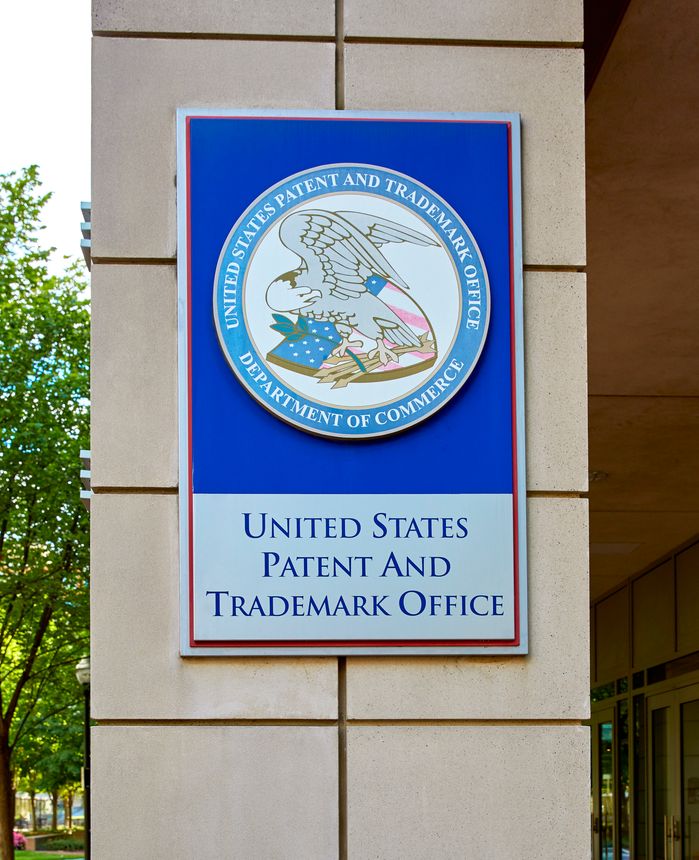
Changes to the IPR process at the United States Patent and Trademark Office (USPTO) in the last year have made IPRs more difficult, resulting in reduced confidence in institution making them less desirable. The USPTO has enacted significant procedural changes under the leadership of Director John A. Squires that have made IPRs harder to institute, which discourages filings. The changes would predictably lead to fewer IPR proceedings and an increase in other non-litigation validity challenges, such as Ex Parte Reexamination (EPR).
A recent article in Law360 confirms a shift in where non-litigation validity challenges are made. Many challengers have been shifting away from IPRs to EPR because they may offer strategic or procedural advantages:
- EPR is not subject to discretionary denial like IPRs
- EPR does not trigger the strict estoppel consequences of an IPR proceeding
- EPRs can still lead to litigation stays and claim narrowing or invalidation.
Although EPR proceedings should have always been considered when an IPR is considered for challenging the validity of a patent, EPRs look to be gaining the most-favored status in view of the IPR changes.
The Law360 article notes that “[b]etween 2013 and 2023, there were between 163 and 355 [EPR] requests filed each year” but that there were “nearly 300 [EPR requests] in the first quarter of the 2026 fiscal year, which ended in December.” The benefits and risks of the EPR process should be fully considered in view of the facts of the particular case, but may likely be the better choice in the current environment despite the challenger's limited participation and time to resolution. This trend is likely to continue until there is restored confidence that IPRs will be instituted and thus fulfill their origin as a less expensive and timely way to challenge the validity of patents outside of litigation.
/Passle/67337b9db95e96d83645bccf/MediaLibrary/Images/2026-10-03-18-48-11-281-6ac14deb4e6b80e80fb7b35c.jpg)
/Passle/67337b9db95e96d83645bccf/SearchServiceImages/2026-09-24-15-32-49-245-6ab542a108089abebd3f6a07.jpg)
/Passle/67337b9db95e96d83645bccf/SearchServiceImages/2026-09-03-16-32-32-380-6a99a12011517e3ed20147f8.jpg)
/Passle/67337b9db95e96d83645bccf/SearchServiceImages/2026-09-01-14-07-21-246-6a96dc19034cc43667abebc3.jpg)